Do other artists feel slightly thrown when they’re asked, “What are you trying to say with your art?” or “What is your work about?”
I do.
It feels daunting to admit that I’m not entirely sure yet. There’s a fear that if you can’t summarise your work neatly, people will assume there’s no substance behind it. But every collection I make is a visceral response to what is happening in my life at that time. I can explain each body of work individually. What I struggle with is defining one overarching statement about everything I do.
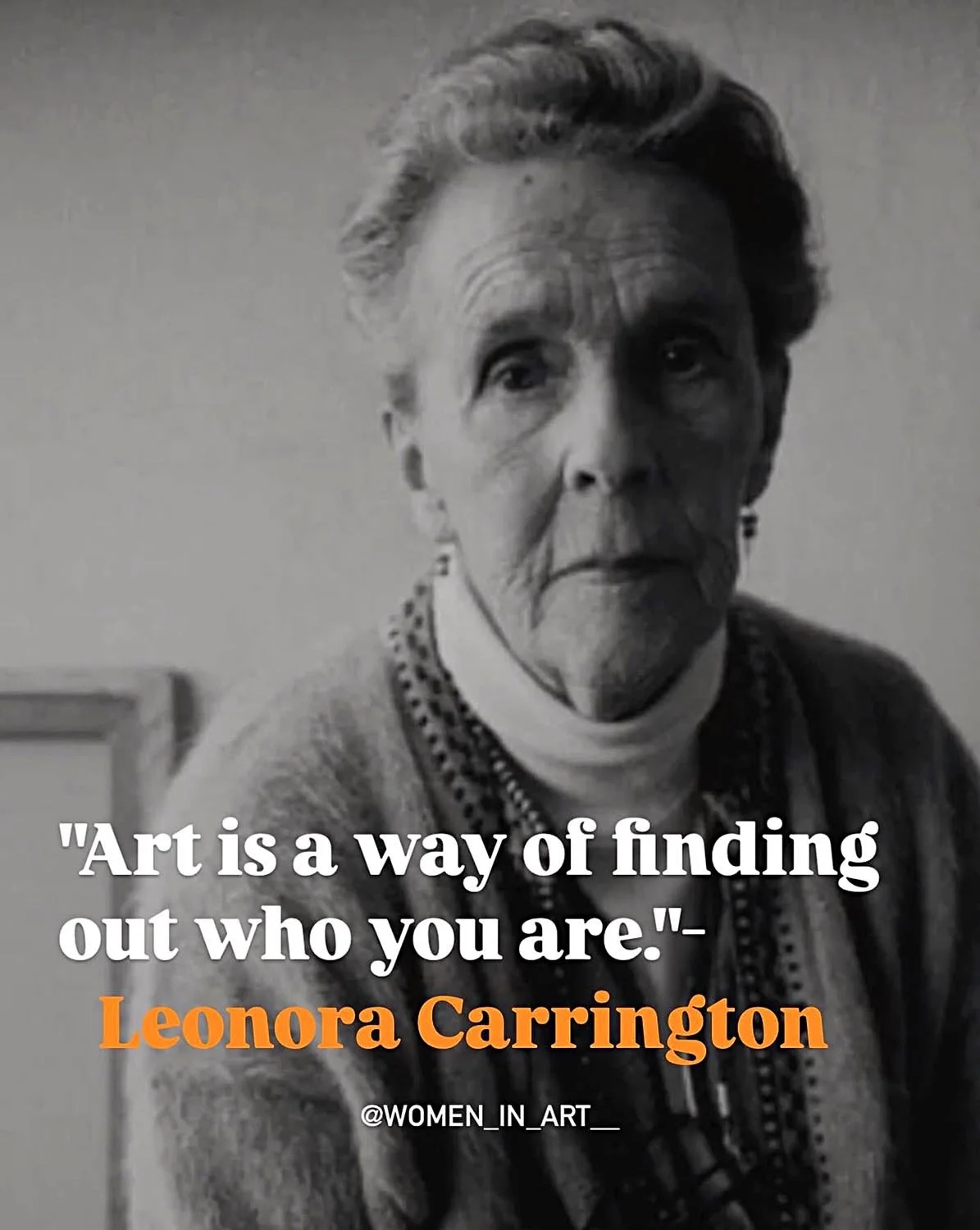
Maybe that’s because I’m still on the lifelong journey of working out who I am. Leonora Carrington said, “Art is a way of finding out who you are.” That feels true to me.
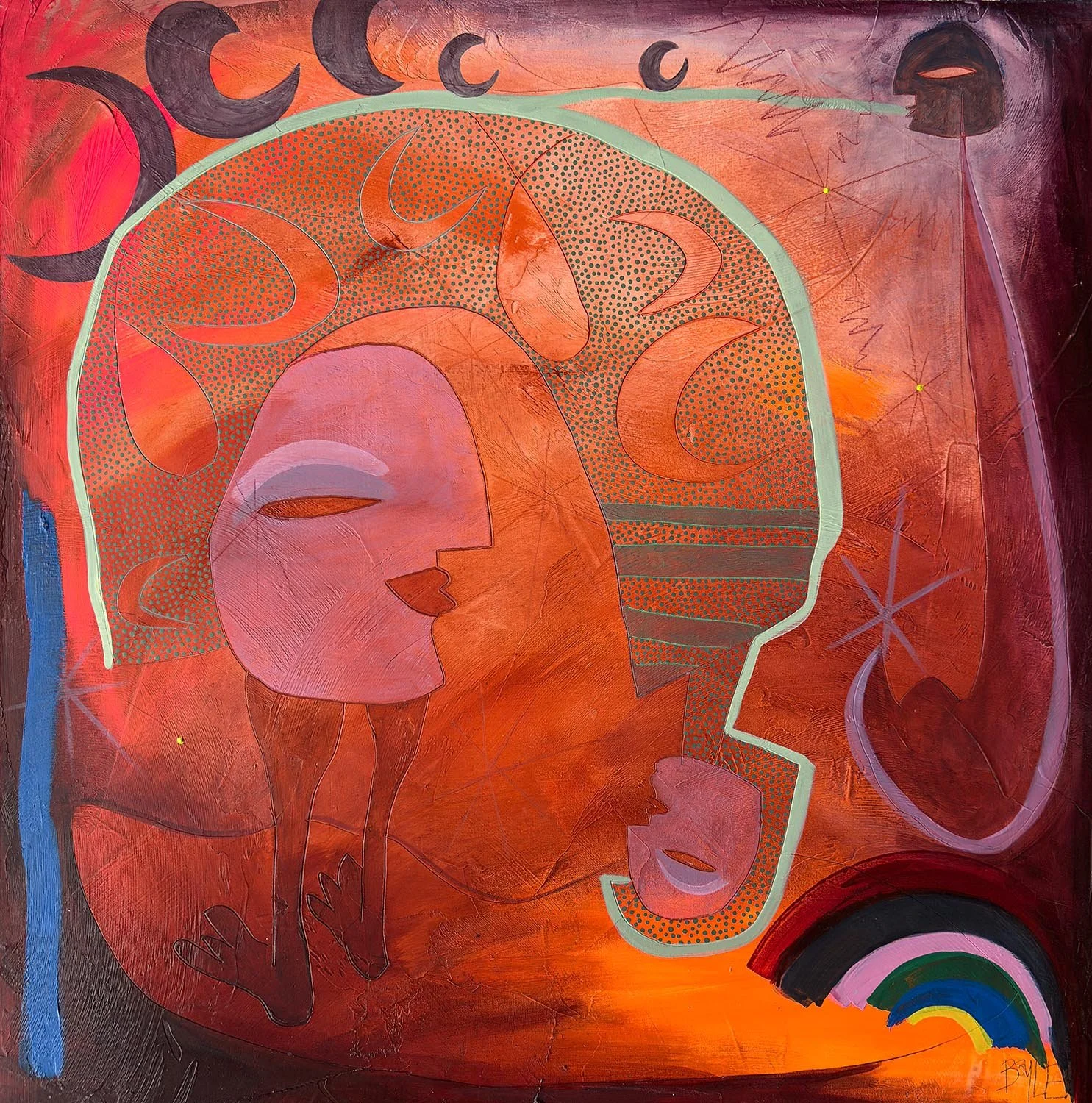
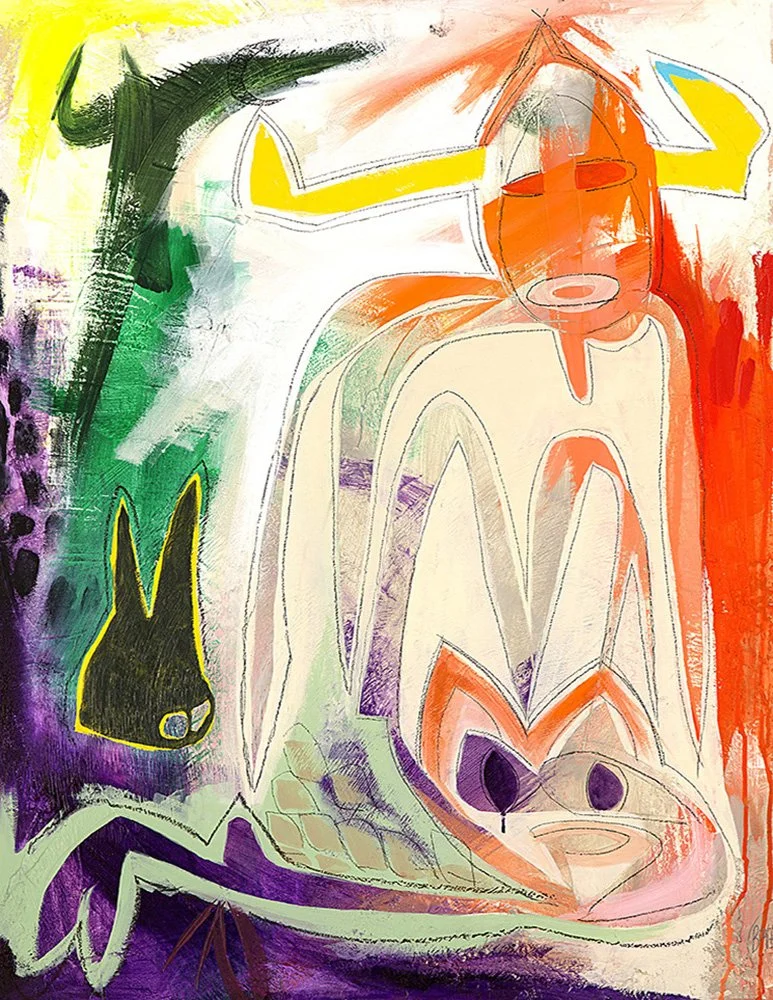
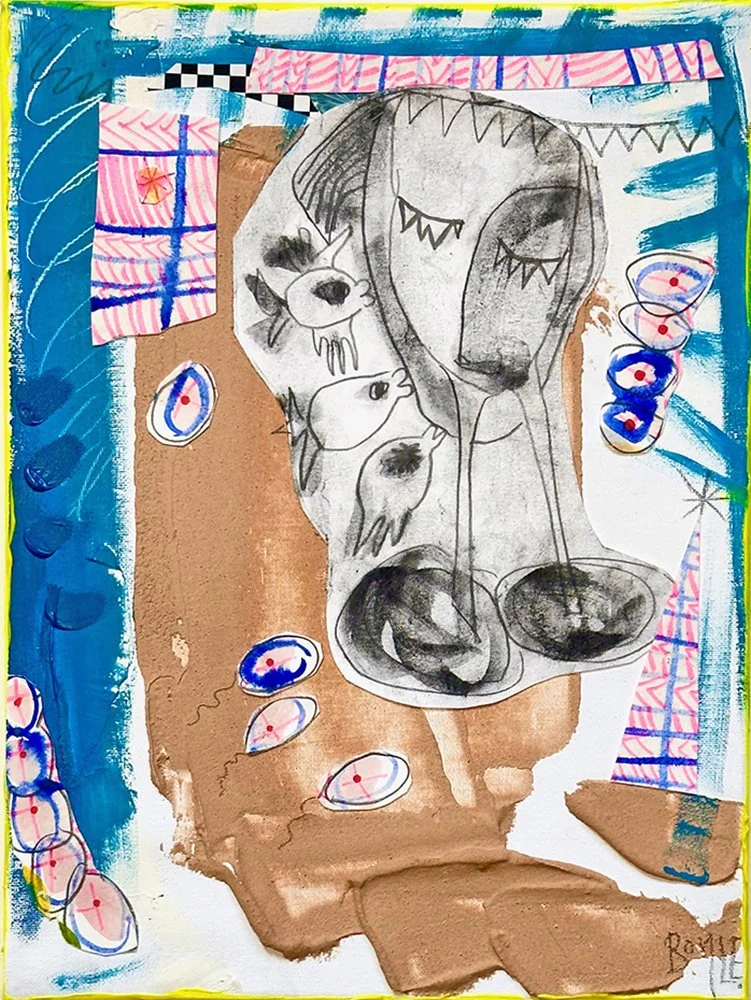
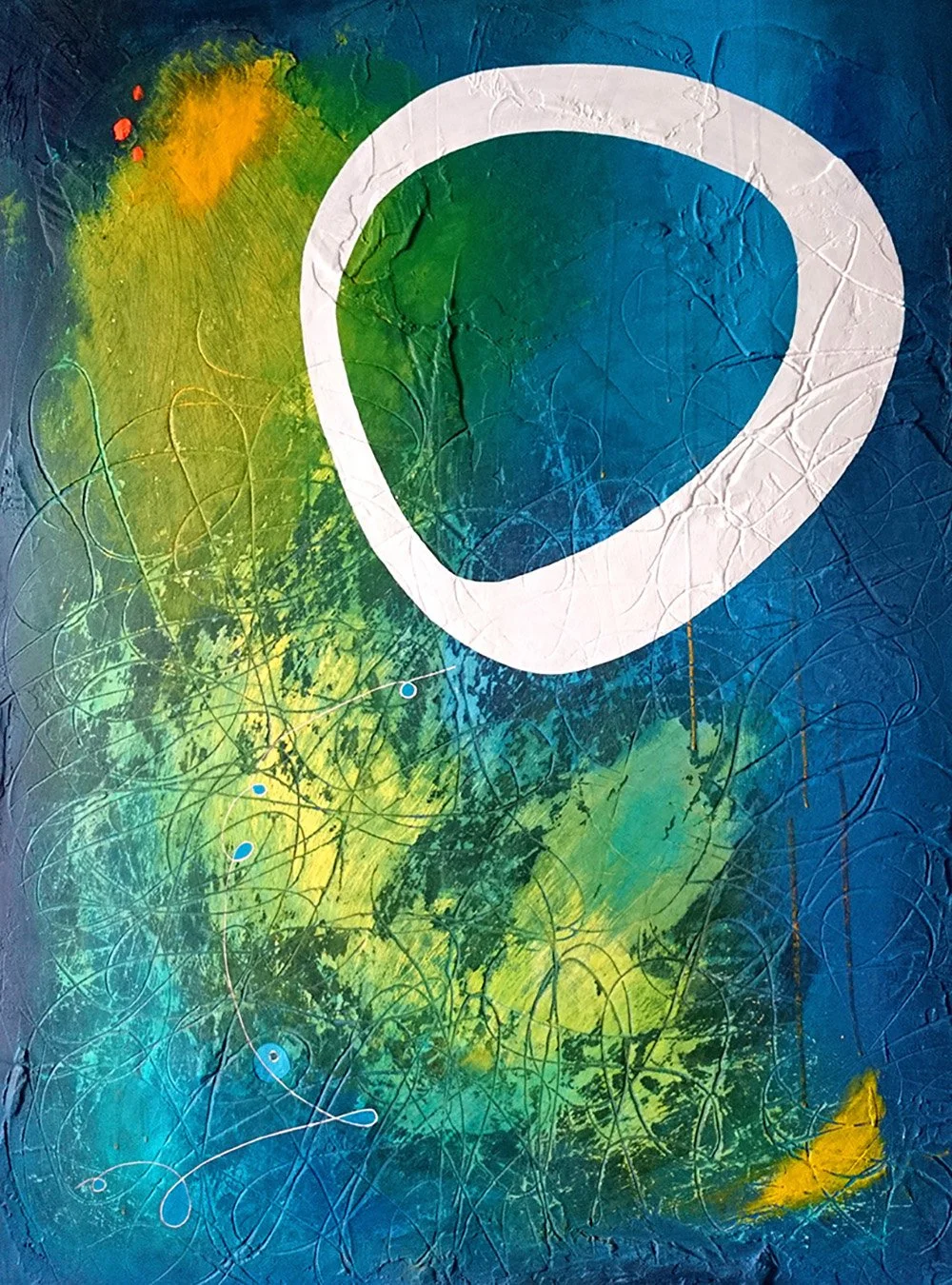
Looking back, I can often see meaning more clearly in retrospect. My painting You’re My Rainbow (2024) felt instinctive at the time. Only later did I realise it was a subliminal response to discussions I’d been hearing about trans women on the radio, intertwined with my own desire to feel more connected to my partner. I didn’t consciously set out to say that — but it was there.
Image right - You’re My Rainbow - Acrylic and Plaster on Hardboard - 1000mm x 1000mm - View Artwork

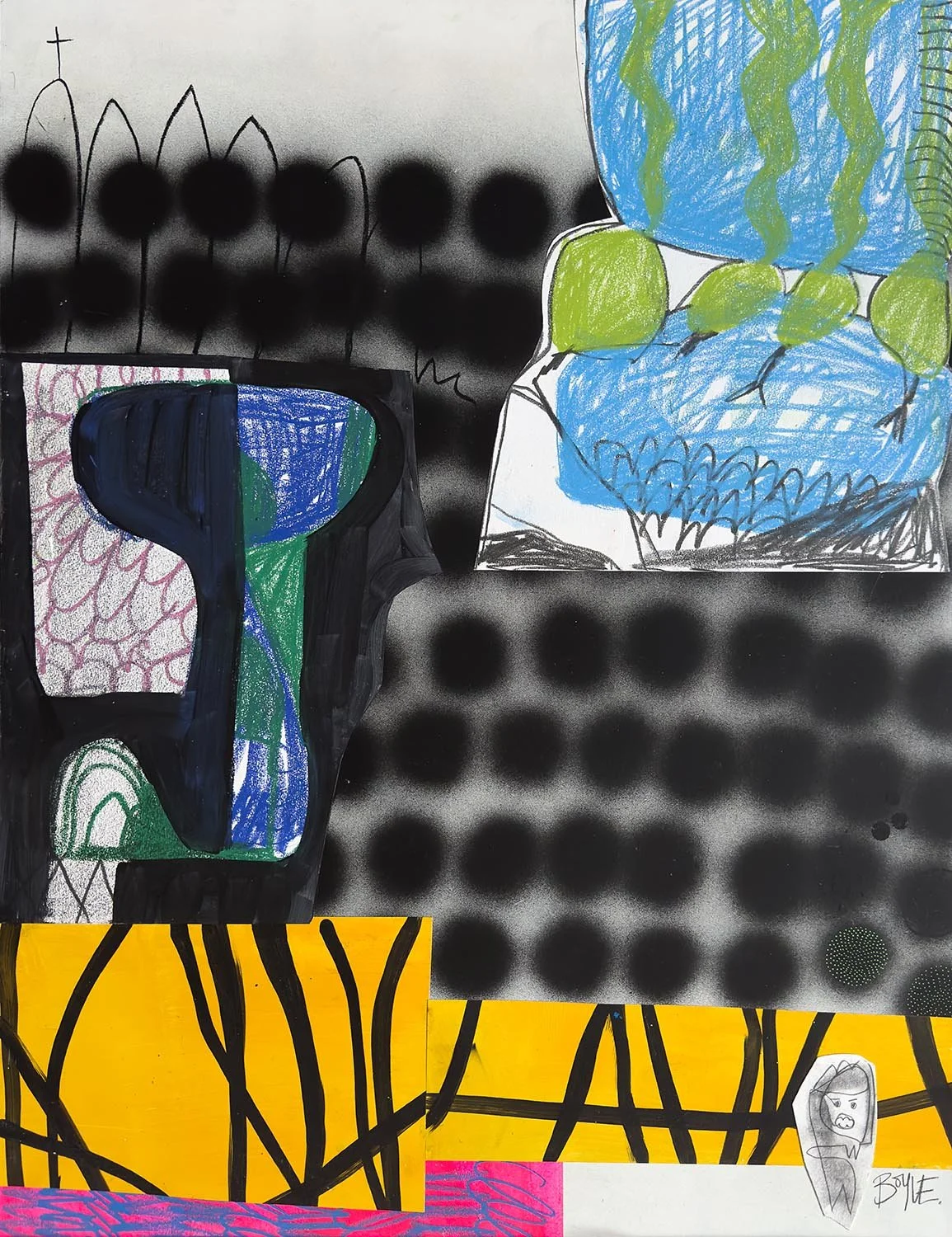
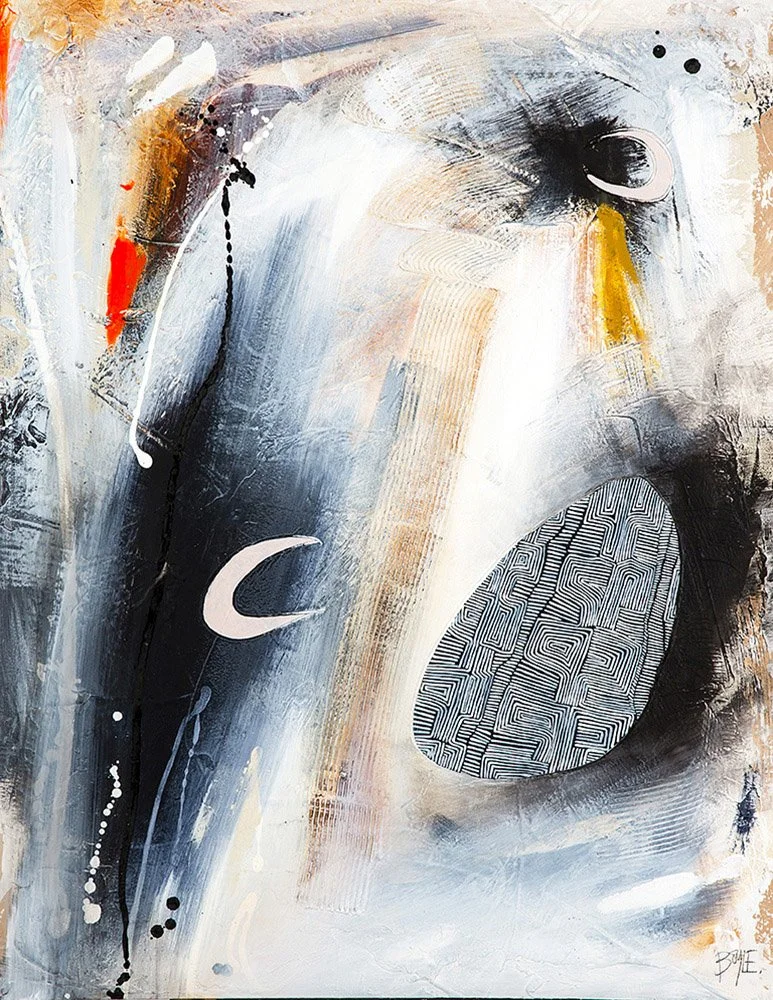
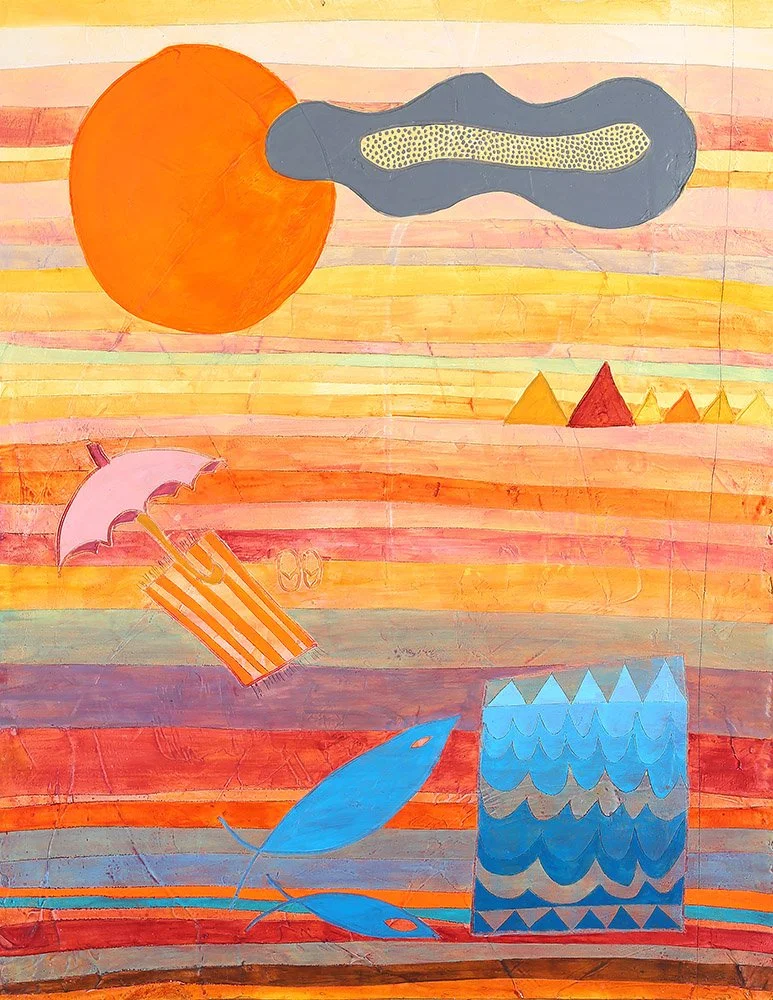
Above Image - I choose to Chill The Fuck Out - 2025 - View Artwork
In my I Choose Collection, I was exploring the idea that mindset shapes experience — that choosing how we respond can alter how we feel and act.
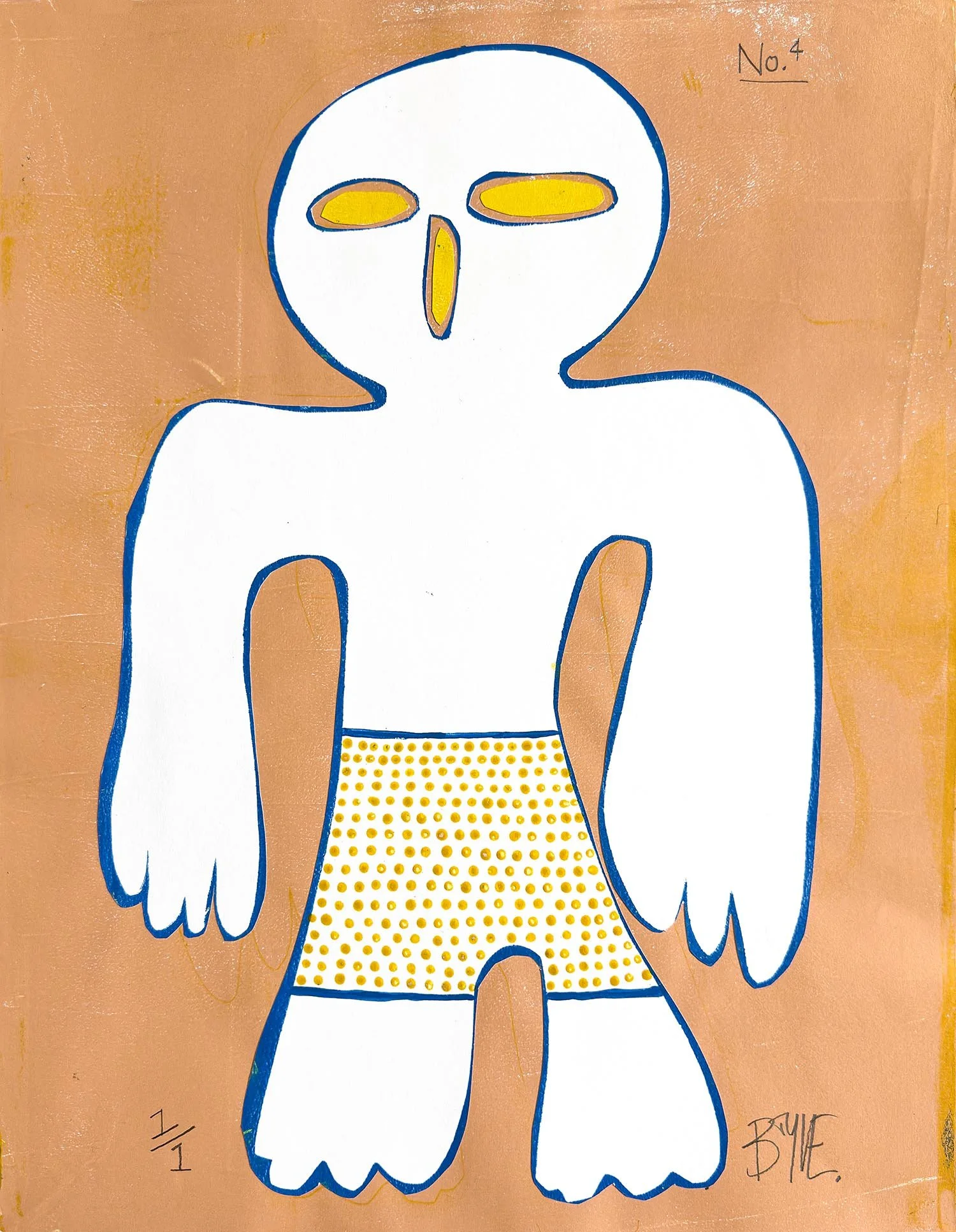
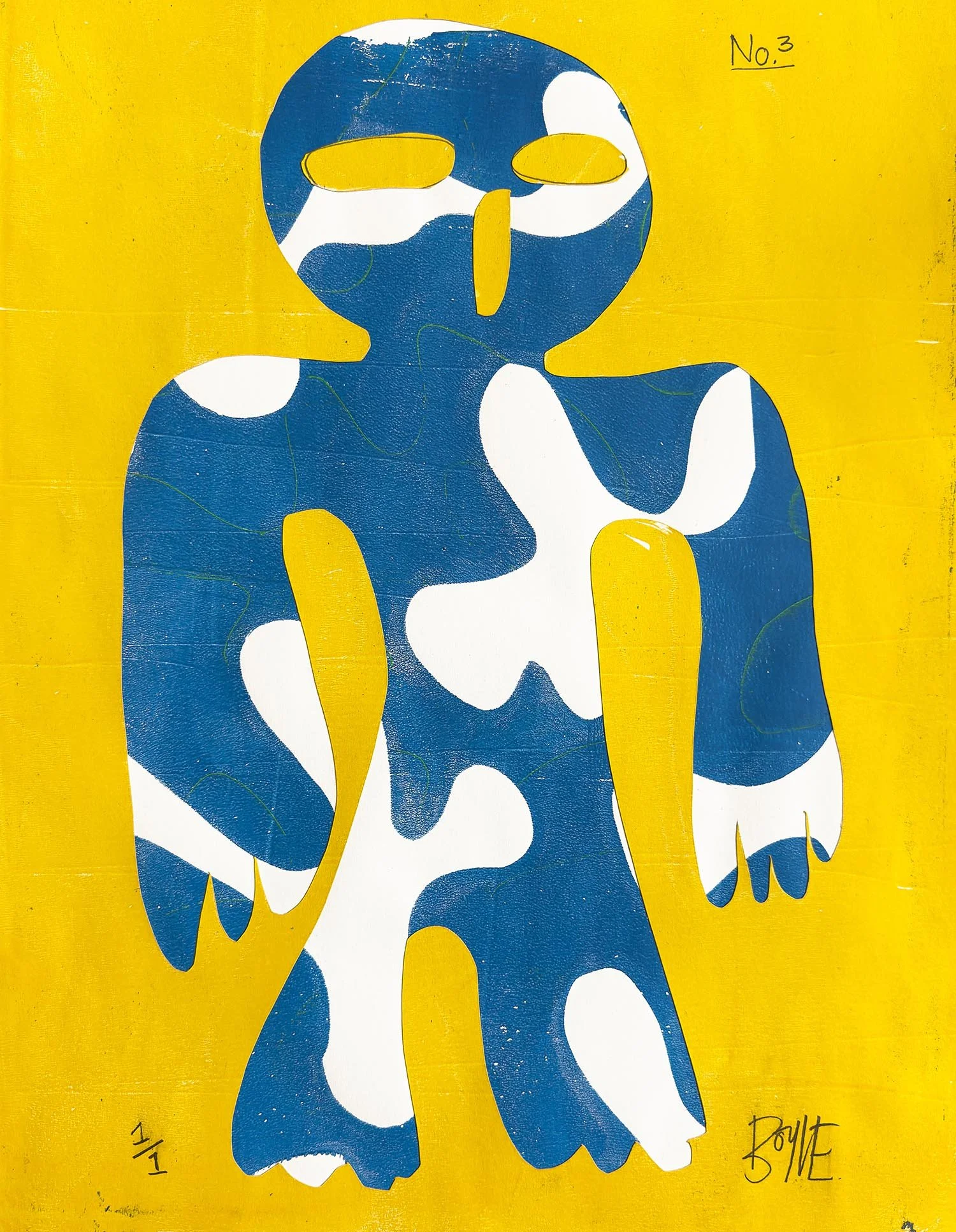
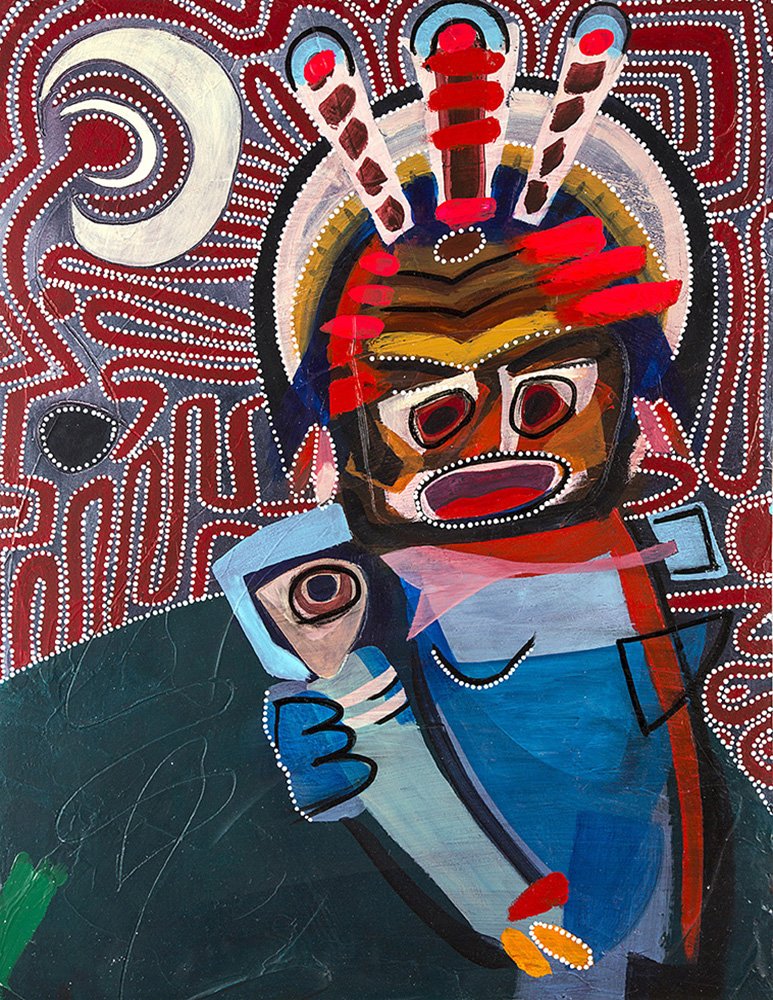
Above Image - Raymond - Birdman Brother Number 4 - View Collection
In The Birdman Collection, I was drawn to the idea that every image carries a story, even a mythical one. Art often becomes mythical over time anyway; new interpretations and critiques reshape and distort the artist’s original intention.
Creativity makes me feel peaceful and connected to the world. In essence, perhaps what I’m saying — over and over — is that making art is an elixir for troubled minds. It helps me order my thoughts, process lived experiences, and absorb the subliminal material constantly swirling around me.
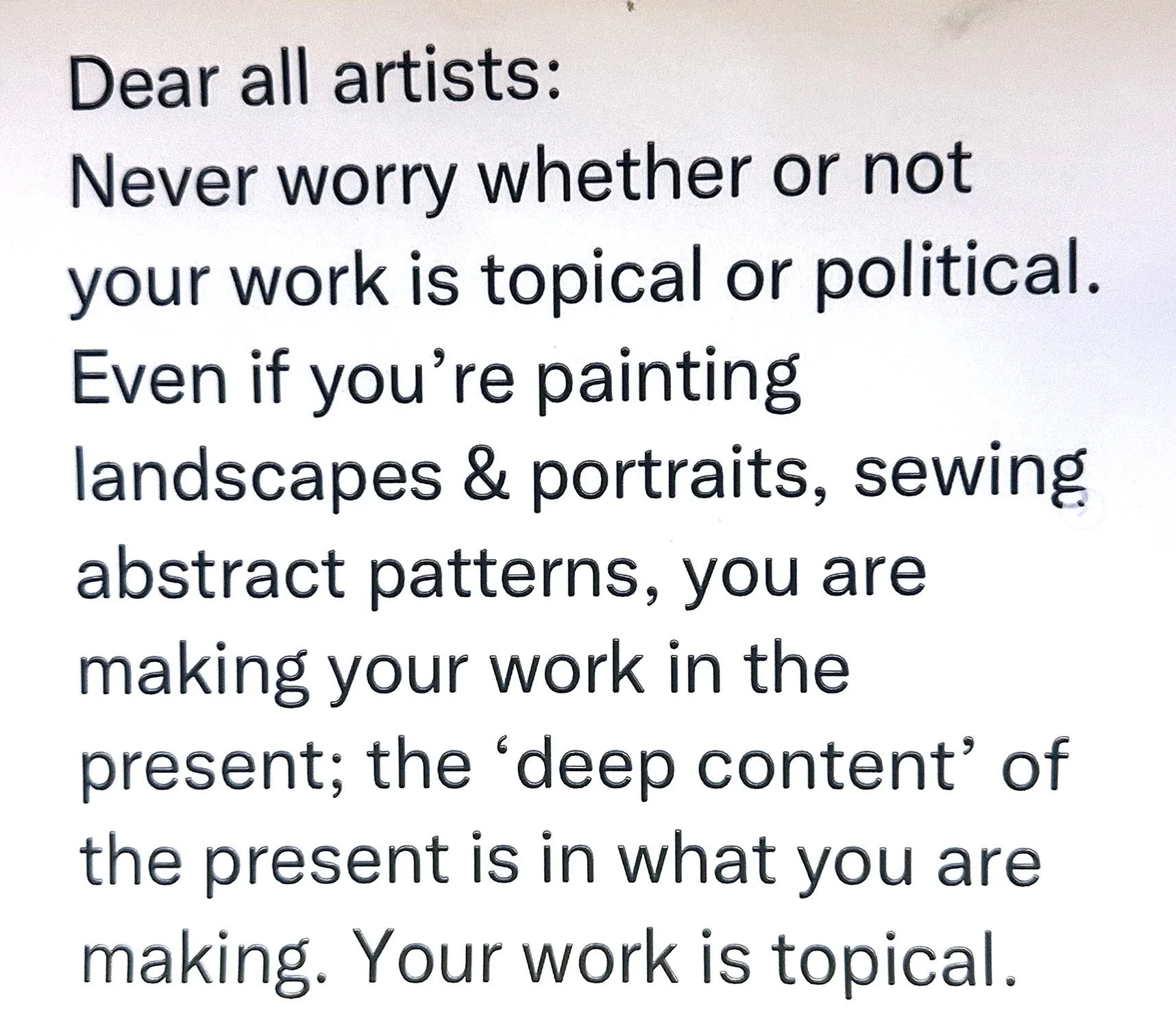
I’ve included a quote by Jerry Saltz — the American art critic who has been senior art critic and columnist for New York magazine since 2006. He is incredibly encouraging to artists and constantly reminds us to keep going, even when we doubt ourselves. That kind of encouragement matters. The longer you work as an artist, the more you realise persistence is just as important as talent.
Figurative or landscape painters are rarely asked what they are “trying to say” — they are simply expressing what they see. I express what I assimilate internally, and that seems to need explanation. But maybe non-conceptual art doesn’t need one? Maybe it needs to be experienced rather than decoded.
Klimt once said:
“Whoever wants to know something about me… ought to look carefully at my pictures and try to see in them what I am and what I want to do.”
I understand the importance of being able to summarise your work — everything in life is categorised and labelled. But it can feel risky. Ideas change. People change. You don’t want to pigeonhole yourself into a fixed identity.
We hide so much of ourselves, yet we’re desperate for someone else to drop their guard first so we can relax into authenticity. We’re afraid of rejection — in our art and in ourselves.
I doubt my ability as an artist all the time. But I never doubt that I am an artist. I feel that in my heart and i’m grateful that i’m so sure of it.
When I was made redundant from my job in an architect’s office in 2008, I was nearly 30. I was waitressing at night and painting in my living room during the day, with very little money. And yet I had never been happier. I knew I was on the right path.
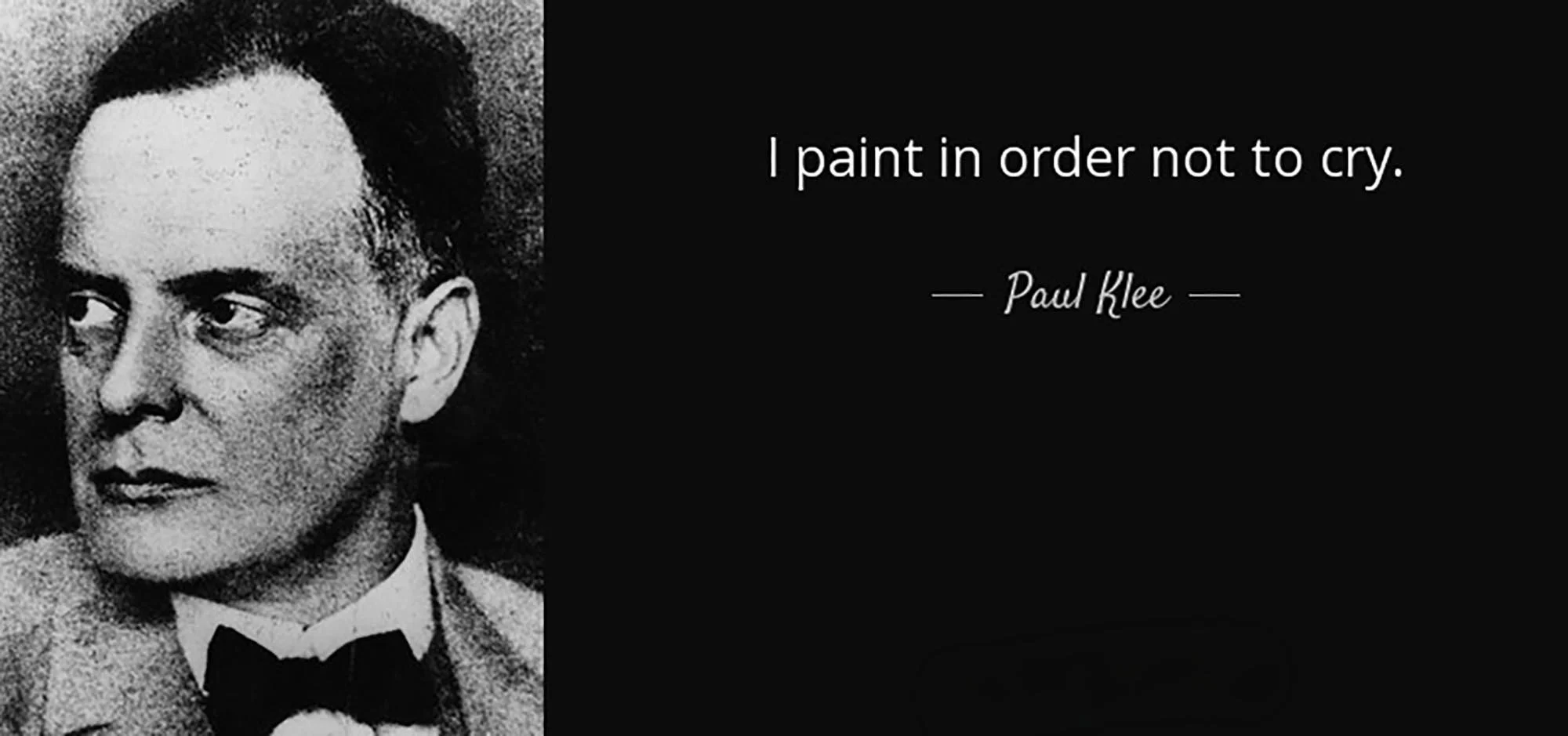
Paul Klee said, “I paint in order not to cry.” He was pointing to the restorative power of art — its ability to manage deep emotion. For some artists, creating isn’t optional. If we don’t make work, something in our psyche begins to unravel.
I will always be drawn to texture, contrast, bright colour, symbolism, pattern, storytelling, and emotion. But I haven’t fully worked out what I’m trying to say in one neat sentence — because I’m still learning who I am.
And perhaps that’s the point.
Writing this has made me realise that I do say something specific with each collection — just not one fixed thing about my work as a whole.
Other than that I’m just trying to stay relatively sane, but you’ll have to ask my friends if it’s working!